COUNSELLING
What is Person-Centred Counselling?
Person-centred counselling, sometimes referred to as client-centred or Rogerian therapy, was developed by psychologist Carl Rogers in the 1940s. At its heart is the belief that every person has an innate capacity for growth, self-understanding, and positive change when provided with the right therapeutic environment.
Unlike some forms of therapy that focus on giving advice or directing the conversation, person-centred counselling places you at the centre of the process. You are the expert on your own life, experiences, and feelings. My role is not to tell you what to do, but to provide a supportive, accepting space where you can explore what matters most to you.
At David Goodman Counselling, I offer a safe, compassionate, and confidential environment where you can speak openly without fear of judgement. Together, we work at your pace, helping you gain greater self-awareness, clarity, and confidence as you navigate life’s challenges.
A Non-Directive Approach
As a person-centred counsellor, I aim to work in a way that is respectful, genuine, and non-directive. This means that I:
- Trust in your ability to find your own answers and make decisions that are right for you.
- Seek to understand your experiences from your perspective, rather than imposing my own views or interpretations.
- Listen carefully and attentively, offering a genuine and authentic therapeutic relationship.
- Accept you as you are, without judgement or pressure to change.
- Respect your individuality and recognise that your journey is unique to you.
- Support you in exploring your thoughts, feelings, and experiences at a pace that feels comfortable.
How We Work Together
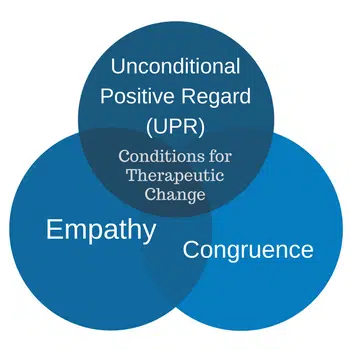
The therapeutic relationship is central to person-centred counselling. My approach is guided by three core principles identified by Carl Rogers:
Empathy
I strive to understand your experiences and emotions from your point of view, helping you feel heard, understood, and valued.
Unconditional Positive Regard
You will be met with acceptance, respect, and compassion, regardless of what you choose to bring to therapy.
Congruence
I believe in being genuine and authentic within the therapeutic relationship, creating a space built on trust, honesty, and openness.
What to Expect from Counselling
Every person’s experience of counselling is different. Sessions are tailored to your individual needs, allowing you the freedom to explore whatever feels important to you.
Person-centred counselling can help you better understand yourself, develop greater self-compassion, and gain insight into patterns, feelings, and experiences that may be affecting your wellbeing.
People often seek counselling for issues such as:
- Anxiety and stress
- Low self-esteem or self-confidence
- Relationship difficulties
- Grief and loss
- Life changes and transitions
- Feelings of loneliness or isolation
- Emotional overwhelm or uncertainty
Through the counselling process, many people find greater clarity, emotional resilience, and confidence in their ability to move forward.
Integrating Person-Centred Counselling and EMDR
While my approach is grounded in person-centred counselling, I am also trained in Eye Movement Desensitisation and Reprocessing (EMDR) therapy. These approaches work particularly well together.
Person-centred counselling provides a safe, trusting therapeutic relationship where you can explore your thoughts, feelings, and experiences at your own pace. This foundation of empathy, acceptance, and understanding helps create the conditions for meaningful therapeutic work.
For some clients, particularly those affected by trauma, distressing life events, anxiety, or experiences that continue to feel emotionally overwhelming, EMDR can be integrated into the counselling process. EMDR helps the brain process difficult memories and experiences that may feel “stuck”, reducing their emotional impact and allowing healing to take place.
Any decision to use EMDR is made collaboratively and only when it feels appropriate for your needs and circumstances. Some clients benefit from person-centred counselling on its own, while others find that combining counselling with EMDR enables deeper healing and lasting change.
Whatever approach we use, our work together will always be guided by your goals, your pace, and what feels right for you.
Get in Touch
I offer EMDR and person-centred counselling, available both in-person and online, at a rate of £70 per 50-minute session.